



What’s the latest trend in Prime residential real estate?
Follow Us On:


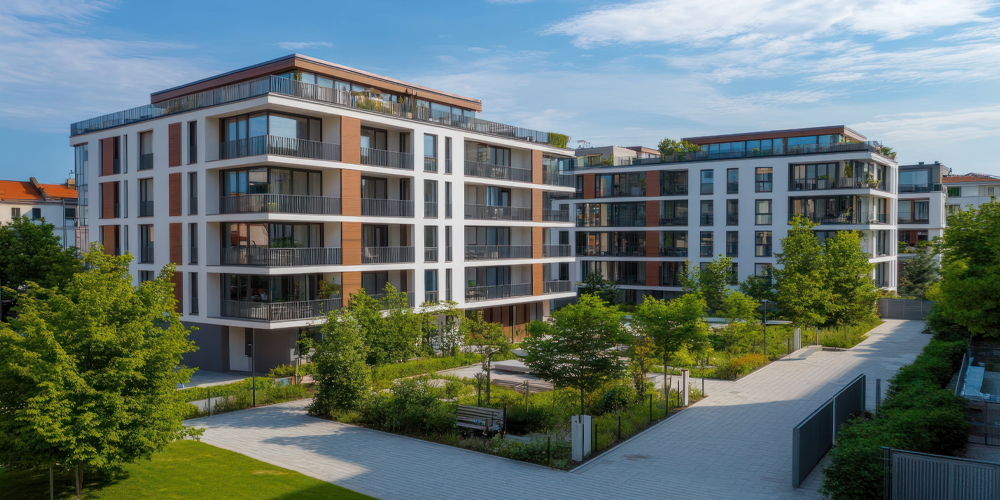
What’s the latest trend in Prime residential real estate?
The global outlook for prime residential and wellness real estate is defined by a fundamental shift toward longevity-driven living, an extraordinary pace of wealth creation and a fractured geopolitical landscape driving unprecedented buyer mobility.
Longevity as ‘New Luxury’
Longevity is the breakout trend in luxury real estate for 2026. High-net-worth individuals (HNWIs) are no longer simply buying property to show off; they are investing in wellness infrastructure and health-centric design that enables them to age in place
• Market Development: The global longevity market is projected to reach US 8 trillion by 2030, and wellness real estate – which has more than doubled in size in five years – is projected to reach US 1.1 trillion by 2029.
• Buyer Priorities: Nearly 38% of luxury real estate professionals say aging in place is now a key consideration in purchase decisions.
• Core Dimensions: Modern wellness projects now are organized around six dimensions: physical, mental/spiritual, social, civic/community, environmental and economic/financial wellness
Global Wealth and dominance
The ultra-wealthy continue to control a significant share of global wealth, remaining in place and continues to change the market.
• UHNWI Population: The global population of ultra-high-net-worth individuals (UHNWIs) rose to 713,626 in 2026, with 89 people surpassing the US$30 million threshold each day over the past five years.
• Regional Dominance: The United States continues to be the biggest engine of wealth, responsible for 41% of all new UHNWIs from 2021 to 2026. By 2031, it is predicted that the US will house 41% of the world’s UHNWIs.
• Rising Markets: Indonesia is projected to enjoy the fastest five year UHNWI growth (82%), followed by Saudi Arabia and Poland (both over 60%) India is also on the rise, with its UHNW population projected to surpass 25,000 by 2031.
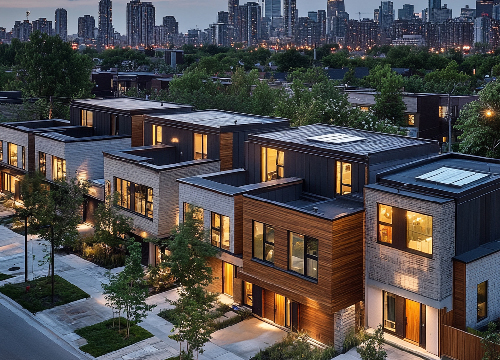
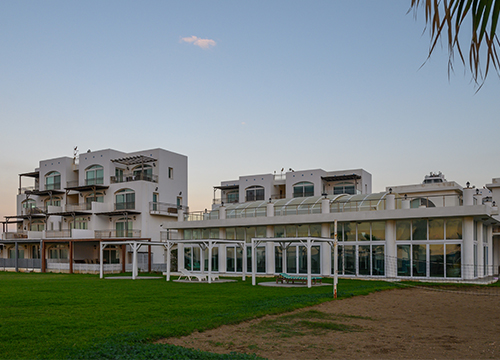
Prime Residential Trends and Mobility
Prime residential markets (the top 5% of a market by value) are de-coupling from mainstream housing and showing resilience despite higher interest rates and geopolitical uncertainty such as the conflict in Iran.
• The “Dip-In, Dip-Out” Lifestyle: Traditional hubs such as London, Los Angeles and New York are pushing a shift towards presence over residence with wealth taxes and anti-wealth political rhetoric The UHNWIs are increasingly looking for boltholes and managed turnkey apartments for short term stays instead of large permanent family homes.
• Dubai’s Global Lead: Dubai has strengthened its position as the world’s number one market for properties priced above $10 million, with 500 such deals being closed in 2025 – a 1,567% increase since 2020.
The “Economy of Transformation”
Luxury is shifting away from conspicuous consumption (the accumulation of “stuff”) to meaningful, experience-led consumption.
• Personal Growth: Luxury consumers today are looking for investments in personal growth, wellness and belonging.
• Membership-Led Hospitality: New models like the Discover Collection offer membership-based retreats that emphasize intellectual engagement and regenerative development over traditional resort luxury.
• Esoteric Collecting: Collectors are shunning mainstream brands to acquire rarities such as dinosaur bones, meteorites and vintage haute couture, often turning to fractional ownership platforms to obtain individual pieces
As we move into 2026, the global prime residential market is poised for steady growth, supported by resilient demand and constrained supply in key destinations. Prime residential capital values are expected to increase by an average of 1.3% globally, reflecting a cautiously optimistic outlook. Cities such as Seoul, Tokyo, and Madrid are forecast to outperform the market, driven by acute supply shortages and sustained buyer interest.
"The latest trend in prime residential real estate is the convergence of luxury, wellness, and branded living where buyers seek not just a home, but an elevated lifestyle experience that delivers both personal fulfillment and long-term investment value.”